
Let Me Tell You a Story
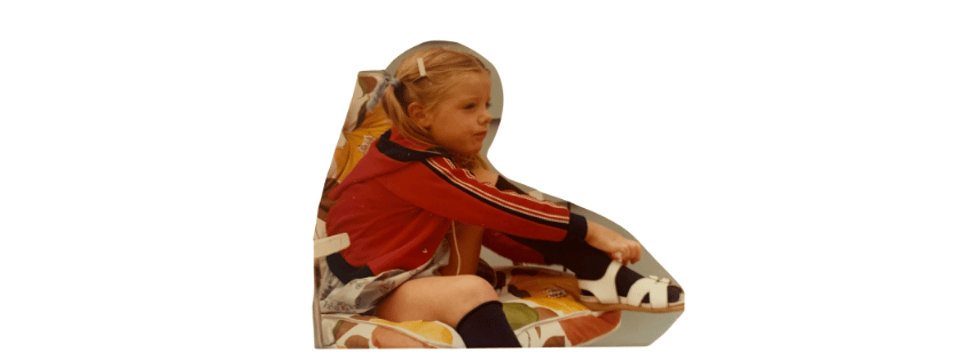
I got kicked out of Social Studies in grade 5 or 6 (I can’t remember) for asking one simple question: "Who wrote this textbook?"
I wasn’t trying to be difficult. I wasn’t looking to stir up rebellion. I genuinely wanted to know—who decided what was true? But my teacher didn’t appreciate my curiosity. Instead of answering, she sent me to the hallway.
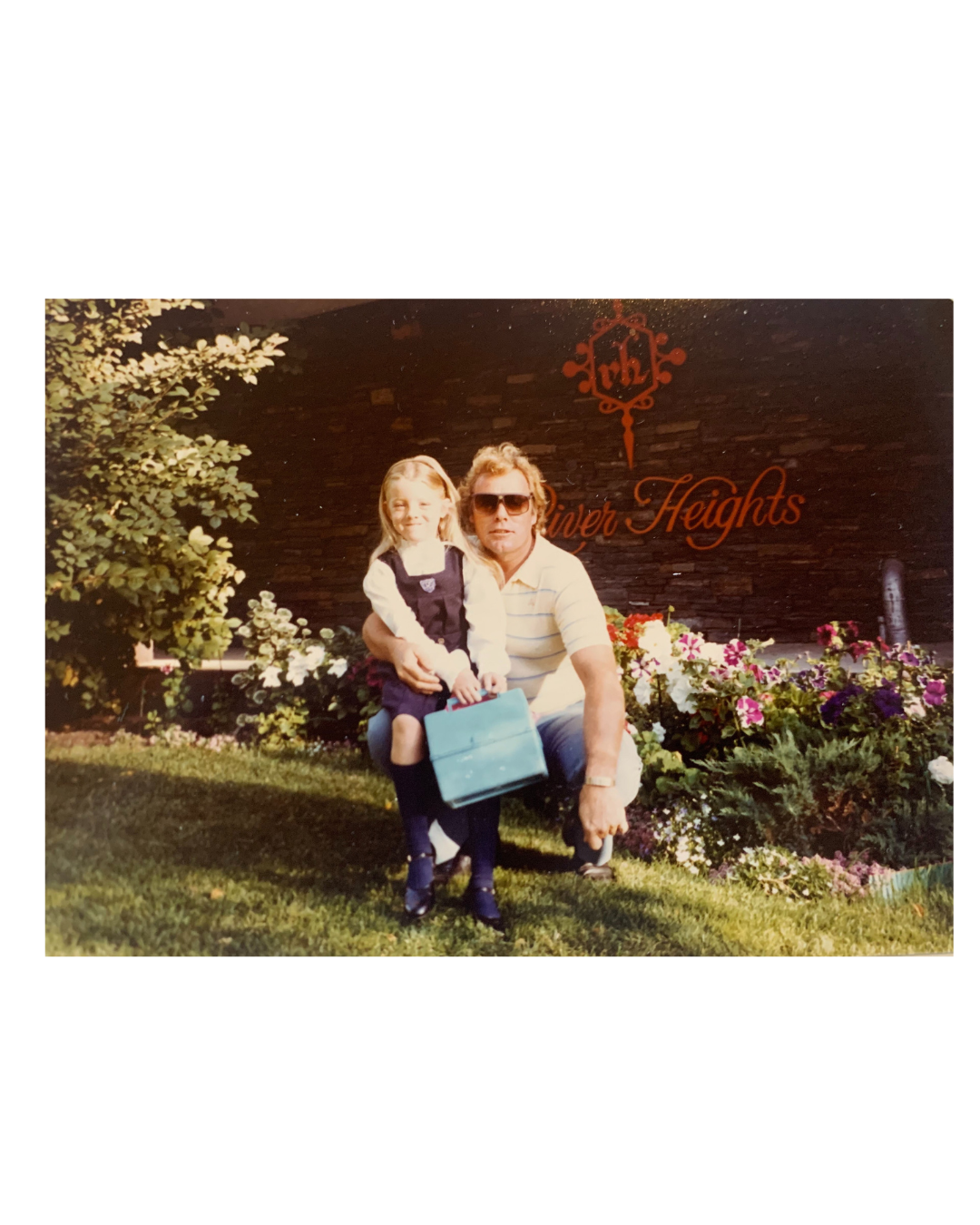
I can safely blame this on my provocative and charismatic father, who always reminded me that there were three sides to every story—yours, mine, and the truth. He was the kind of man who made you question everything, who saw authority not as a guiding force, but as something that always needed to be challenged. He was the person who unapologetically blew my mind when he told me, “We aren’t the good guys if you’re on the other side of the war.”
Equally responsible is my mother, who refused to encourage any position until the author and the financier of the source had been examined. She taught me that knowledge without context and reason is just someone else’s version of reality.
But now, truth feels complicated. People are too busy for context, for white papers and research. The lifelong learner in me bends toward philosophy and theory, ambiguity and fluidity—probably more than is appreciated, I suspect—but with that comes intellectual freedom and ongoing self-reform.
Conversationally, though? Suggesting that 2 + 2 is subjective or that math is godlike and not as absolute as we may pretend doesn’t tend to go over well at dinner parties.
I was punished, shamed, rejected, and ejected at 10 or 11 years old for being thirsty for curiosity, senseability, and engagement. Thank God I had climbed the ranks of the elementary social hierarchy, at least to a place where getting kicked out of class for being an asshole who is smart was way more socially acceptable than getting kicked out for being a smart-ass.
Fast-forward to university, where the pursuit of a philosophy degree was only the beginning of a lifelong (so far) love of introspection, rabbit holes, abstract thought, puzzles, patterns, and the exploration of thought and nonsense.
And that’s exactly how I ended up here—down an intellectual rabbit hole of 1776.
I never learned about the American Revolution in school. In a declaration of embarrassing fact: I have only just recently been pouring over American history and the magnitude of 1776. I had always assumed it was just another date on a timeline, another battle, another event we were loosely aware of as Canadians but never really connected to.
But I see it differently now. It wasn’t just a war; it was an existential break. A full divorce from the monarchy and all that came with it—its power, its legacy, its sins. The birth of a nation that, for better or worse, chose self-determination over allegiance.
And that’s when the next question hit me: Why haven’t we done the same?
Why do Canadians struggle with a coherent national identity? Why do we wrestle with our own patriotism, or seem vaguely embarrassed by it? Why does our history always feel like something borrowed rather than something built?
Maybe it’s because we’re not a fully independent nation. Maybe it’s because, despite our polite insistence otherwise, we remain an extension of the Crown, tethered to an institution that carries centuries of blood, conquest, and control.
We like to think of ourselves as separate, but the reality is we have never truly stood on our own. Even now, our head of state is a monarch in another country. Our constitutional system still bows to a royal assent. The weight of colonialism is baked into our institutions, our treaties, our very sense of identity.
So here’s my question: Will our national struggles ever end until we finally sever the tie?
Maybe Canada won’t find its real sense of pride until we become a republic—until we write our own story. Not Britain’s, not America’s. Ours.
Maybe the absence of overt Canadian patriotism isn’t because we’re a humble nation, but because we don’t yet know what it means to be our own nation at all.
And maybe, just maybe, it’s time to find out.
Yours in truth always,
Kathleen
Reference: https://www.canadian-republic.ca/